
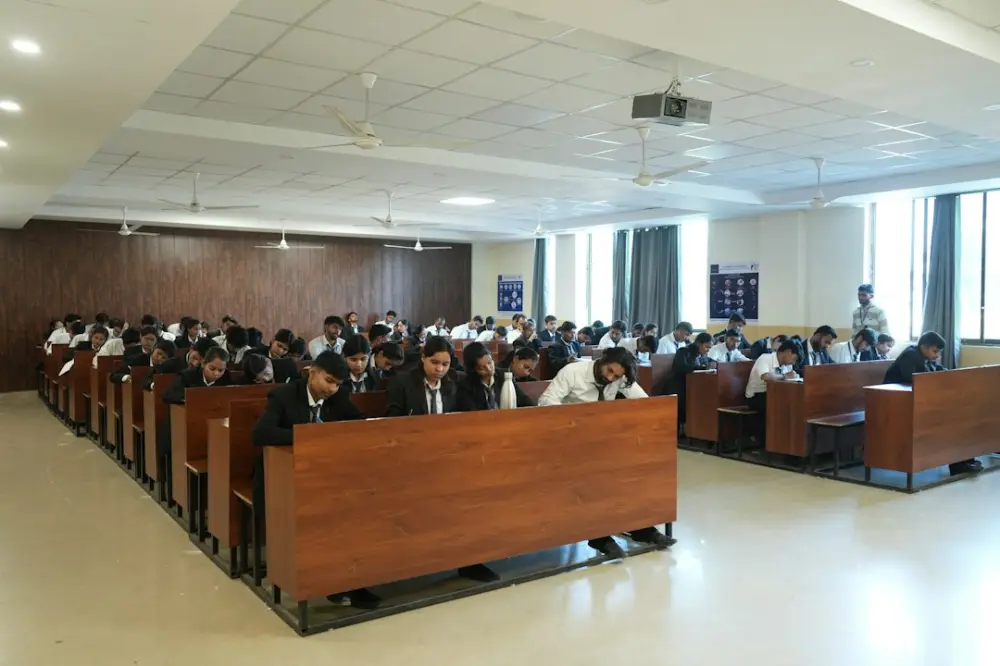
Institutional technology planning is a strategic governance framework used to align a university’s digital infrastructure with its long-term academic and administrative goals. This process evaluates the lifecycle of hardware, software, and data systems to ensure that technical investments support the campus mission. It shifts IT from a reactive procurement model to a proactive roadmap for sustainable operational growth.
This planning addresses the tension between high-visibility hardware upgrades and essential backend maintenance. By prioritizing long-term infrastructure sustainability over short-term trends, colleges avoid technical debt and ensure systems remain functional. This approach ensures that every budget dollar spent on technology directly improves the student experience and administrative efficiency.
What is Institutional Technology Planning?
At its most practical level, institutional technology planning is a governance exercise. It is the process by which a college or university decides which tools are necessary for its mission and how it will sustain them over a five-to-ten-year horizon. Unlike a simple procurement list, this planning involves a deep dive into the lifecycle of every asset, from the physical fiber optic cables in the ground to the cloud-based licenses used by remote faculty.
For example, a mid-sized community college might conduct a tech audit and discover that while their classroom projectors are state-of-the-art, their backend Student Information System (SIS) is twenty years old and unable to integrate with modern mobile apps. Institutional planning identifies this discrepancy and schedules a phased migration to a cloud-based SIS, ensuring that the student experience remains seamless across all touchpoints. This avoids the common pitfall of "shiny object syndrome," where a campus buys high-visibility hardware while neglecting the essential infrastructure that keeps the institution running.
This planning also encompasses data governance and privacy. As campuses collect more data on student performance and campus operations, the plan must outline who owns this data, how it is stored, and who has access to it. It transforms IT from a siloed department into a cross-functional partner that influences everything from enrollment marketing to facilities management.
Aligning IT Strategy with Campus Goals
Technology does not exist in a vacuum; it must serve the broader mission of the institution. If a university’s primary goal for 2026 is to increase graduation rates for first-generation students, the technology plan should reflect that. This might mean prioritizing investments in predictive analytics platforms that flag when a student stops logging into the Learning Management System (LMS), allowing advisors to intervene before a student falls behind.
Alignment requires constant communication between the Chief Information Officer (CIO) and the President’s Cabinet. When virtual CIO services align technology with institutional goals, they focus on outcomes rather than specifications. Instead of asking "Do we need more servers?", the question becomes "How does our server capacity impact the speed at which researchers can process large datasets?"
Consider a research-intensive university that aims to attract top-tier global faculty. Their technology plan might prioritize high-performance computing (HPC) clusters and robust cybersecurity protocols for sensitive grant data. By aligning these technical investments with the goal of research excellence, the IT department becomes a direct contributor to the university’s prestige and funding potential. This strategic alignment ensures that every dollar spent on technology is an investment in the campus’s future, not just an operational cost.
Core Focus Areas for Modern Infrastructure
Modern campus infrastructure is no longer limited to the physical boundaries of the school. It is a hybrid environment that must be accessible, secure, and resilient. There are four primary areas where planning must be concentrated to stay relevant in 2026:
- Connectivity and Density: With the average student carrying three to four connected devices, Wi-Fi 6E or Wi-Fi 7 rollouts are becoming mandatory. Planning must account for high-density areas like lecture halls and outdoor common spaces where students collaborate.
- Security Culture: Moving beyond firewalls, campuses are adopting Zero Trust architectures. This involves multi-factor authentication (MFA) and micro-segmentation of networks to protect sensitive financial and personal records from ransomware attacks.
- Cloud Integration: The shift from on-premises servers to Software-as-a-Service (SaaS) requires a different kind of planning focused on API management and vendor relationships. For instance, a campus might use a central integration platform to sync data between their LMS, library system, and financial aid portal.
- Accessibility (Universal Design): Technology must be usable by everyone. This means ensuring that all digital platforms meet WCAG 2.1 standards and that physical classrooms are equipped with assistive listening systems and screen-reader-compatible interfaces.
A concrete example of this focus is the implementation of a campus-wide Single Sign-On (SSO) solution. By consolidating logins for Outlook, Canvas, and Workday into one secure portal, the institution improves the user experience for students while significantly reducing the workload for the IT help desk regarding password resets.
Steps to Develop a Long-Range Tech Plan
Building a comprehensive plan is an iterative process that requires input from stakeholders across the entire campus. It begins with a thorough discovery phase and ends with a living document that is reviewed annually. Because technology is redefining organizational agility, the plan must be flexible enough to accommodate emerging tools without derailing the entire budget.
- Current State Assessment: Document every piece of hardware, software license, and network asset. Identify what is reaching its "end of life" and what is still performing well.
- Stakeholder Engagement: Conduct surveys and town halls with faculty, staff, and students. A common mistake is planning for faculty needs without asking them how they actually use technology in the classroom.
- Gap Analysis: Compare the current state with the institutional goals. Where are the deficiencies? This might reveal a need for better remote-access tools for adult learners or more robust data backup systems for the registrar’s office.
- Prioritization and Budgeting: Not every project can happen at once. Categorize initiatives into "Critical/Immediate," "Strategic/Mid-term," and "Innovative/Long-term."
- Execution and Review: Assign project managers to specific initiatives and set clear KPIs. If the goal was to reduce login times, measure the success of the new SSO system after six months.
For example, a small liberal arts college might use a "traffic light" system during their prioritization phase. Red items are urgent security vulnerabilities, yellow items are software upgrades that will improve efficiency, and green items are experimental tools like VR labs for the art department. This visual hierarchy helps the board of trustees understand where funding is most desperately needed.
Essential Frameworks and Planning Resources
Planners do not need to reinvent the wheel. Several established frameworks provide a structured approach to campus technology management. These resources help ensure that the plan meets industry standards for security, interoperability, and fiscal responsibility.
The EDUCAUSE Top 10 list is an annual resource that highlights the most pressing issues in higher education IT. It serves as a benchmark for what other institutions are prioritizing, from data privacy to the role of AI in the curriculum. Another vital resource is the Higher Education Cloud Vendor Assessment Tool (HECVAT), which helps campuses evaluate the security posture of third-party cloud providers before signing a contract.
For security planning, many institutions look to the NIST Cybersecurity Framework. By applying NIST standards to a campus network, IT leaders can identify risks in their research databases or student payment portals and create a remediation plan. Using these frameworks provides a level of professional rigor that can be helpful when presenting the technology plan to non-technical stakeholders, such as donors or government oversight committees. It demonstrates that the campus is following best practices and protecting its digital assets with the same diligence as its physical ones.
Where to Begin with Your Institutional Technology Roadmap
Transitioning from a theoretical framework to a functional roadmap requires immediate, tactical movements. To ensure your planning gains momentum and stakeholder support, follow these initial procedures:
- Start by forming a cross-functional technology council that includes representatives from both academic affairs and student services to ensure diverse input.
- The first step in the technical phase is to identify all hardware and software approaching its end-of-life cycle within the next 18 months.
- To begin the alignment process, map each proposed IT investment to a specific goal found in the university's primary strategic plan.
- Next, initiate a series of discovery sessions with faculty and staff to determine where current digital tools are failing to meet classroom or administrative needs.
- Follow this by establishing a transparent budget for the first phase of the roadmap, clearly distinguishing between implementation costs and long-term maintenance.
Future-Proofing Campus Life for 2026 and Beyond
The final stage of technology planning is looking toward the horizon. In 2026, the focus has shifted toward the ethical integration of artificial intelligence and the sustainability of digital operations. Future-proofing means building a system that can adapt to these changes without requiring a total overhaul every three years.
One practical takeaway for institutional leaders is the move toward "HyFlex" (Hybrid-Flexible) environments. A future-proofed classroom is not just one with a smartboard; it is one equipped with auto-tracking cameras and spatial audio that allows a student in a dorm room or a different country to participate as naturally as someone sitting in the front row. This flexibility ensures that the campus remains resilient in the face of future disruptions, whether they are environmental, health-related, or economic.
Sustainability is also a growing concern. Planning for 2026 includes evaluating the energy efficiency of server rooms and the e-waste policies for retired laptops. By choosing vendors with strong environmental commitments and optimizing data storage to reduce energy consumption, IT departments can contribute to the institution’s broader sustainability goals. The goal is a digital ecosystem that is as durable and enduring as the campus’s brick-and-mortar foundations.
At Campus Life Tech, we believe that digital transformation is more than just a series of software updates. It is about fostering a security culture, embracing cloud adoption, and developing an integration strategy that actually works for the people on the ground. By centering institutional technology planning on these core themes, campus leaders can ensure their digital infrastructure supports a thriving, connected community for years to come.